


Product Details

  • Home
  • Product Details
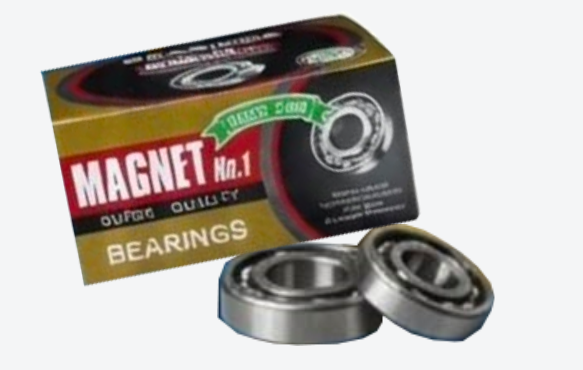
Bearings

N10000

Bearings

(4 customer reviews)

Bearings are precision-engineered mechanical components designed to reduce friction between moving parts while supporting rotational or linear motion. They are among the most important parts of any vehicle, as they allow components to move smoothly, efficiently, and with minimal wear. Bearings are used in numerous automotive systems, including wheel hubs, engines, transmissions, alternators, steering assemblies, and electric motors.

The primary function of a bearing is to support loads while minimizing resistance between moving surfaces. By reducing friction, bearings improve the efficiency of mechanical systems, decrease energy loss, and extend the service life of surrounding components. They also help maintain proper alignment of rotating shafts and moving parts, ensuring smooth and reliable operation under varying driving conditions.

There are several types of bearings used in the automotive industry, including ball bearings, roller bearings, tapered roller bearings, needle bearings, and thrust bearings. Each type is specifically designed to handle different combinations of radial and axial loads depending on the application.

Key parts of a bearing include:

  • Inner Ring – Fits securely onto the rotating shaft and provides a raceway for the rolling elements.
  • Outer Ring – Remains stationary within the housing and supports the rolling elements.
  • Rolling Elements – Balls or rollers that reduce friction by rolling between the inner and outer rings.
  • Cage (Retainer) – Separates and evenly spaces the rolling elements to ensure smooth operation.
  • Seals or Shields – Protect the bearing from dust, dirt, moisture, and other contaminants while retaining lubricant.
  • Lubricant – Grease or oil that reduces friction, minimizes wear, and dissipates heat.

A high-quality bearing contributes to smoother vehicle operation, quieter performance, improved fuel efficiency, and enhanced safety. Regular inspection and timely replacement of worn bearings help prevent excessive vibration, noise, and potential mechanical failure.

Category:

Bearings are essential components that play a vital role in the performance, reliability, and longevity of modern vehicles. Although often hidden within mechanical assemblies, they are responsible for ensuring that rotating and moving parts operate smoothly with minimal friction. From the wheels that keep your vehicle moving to the engine and transmission that generate power, bearings are critical to nearly every aspect of automotive performance.

One of the greatest benefits of high-quality bearings is their ability to significantly reduce friction. Lower friction means less heat generation, reduced wear on surrounding components, and more efficient power transfer. This not only improves vehicle performance but also contributes to better fuel economy and lower maintenance costs over time.

Modern automotive bearings are manufactured using high-strength steel and precision engineering techniques to withstand heavy loads, high rotational speeds, and demanding operating conditions. Many are equipped with sealed designs that keep lubrication inside while preventing dirt, water, and debris from entering. This greatly increases durability and minimizes maintenance requirements.

Reliable bearings also improve driving comfort and safety. Properly functioning wheel bearings allow wheels to rotate smoothly and maintain accurate alignment, resulting in stable handling, reduced vibration, and quieter operation. Conversely, worn or damaged bearings can produce grinding or humming noises, cause uneven tire wear, reduce steering precision, and, if left unattended, lead to serious mechanical issues.

Selecting the correct bearing for a specific vehicle or application is essential. Different automotive systems require bearings designed to handle unique load capacities, speeds, and operating environments. Using the appropriate bearing ensures optimal performance, reliability, and compatibility with the vehicle's mechanical systems.

Routine maintenance and inspection are important for maximizing bearing life. Checking for unusual noise, excessive play, or signs of wear allows potential problems to be identified before they lead to costly repairs. Replacing worn bearings promptly helps protect surrounding components and maintains the overall efficiency of the vehicle.

Whether for routine maintenance, repairs, or performance upgrades, premium-quality bearings provide dependable operation, long-lasting durability, and smooth performance. They are an indispensable part of every well-maintained vehicle, ensuring that critical mechanical systems continue to operate efficiently, safely, and reliably for years to come.